
What a crazy time to live right?
We can agree that the last months have been wild. Places in the world went from tourism and party to not be able to put a foot on the street if you don’t have a basic need.
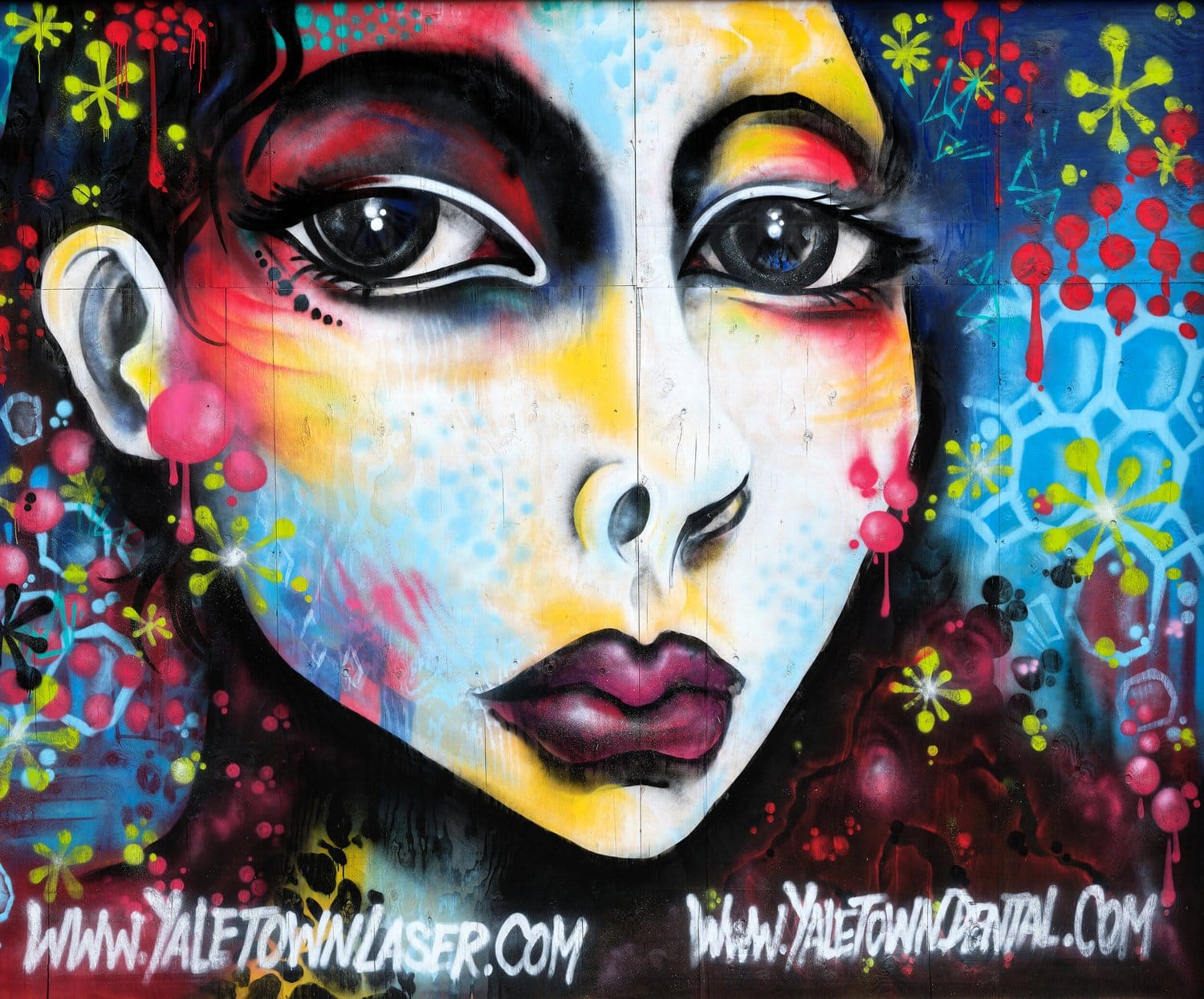
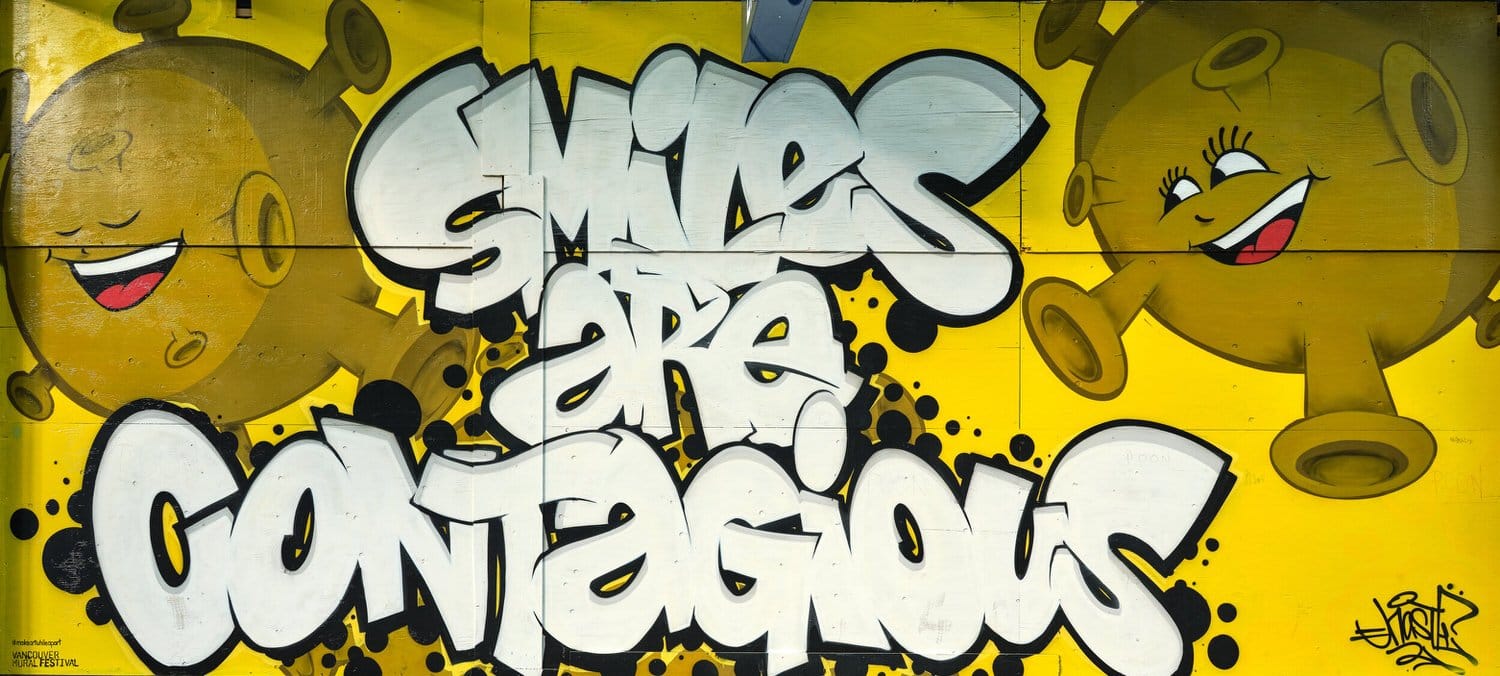
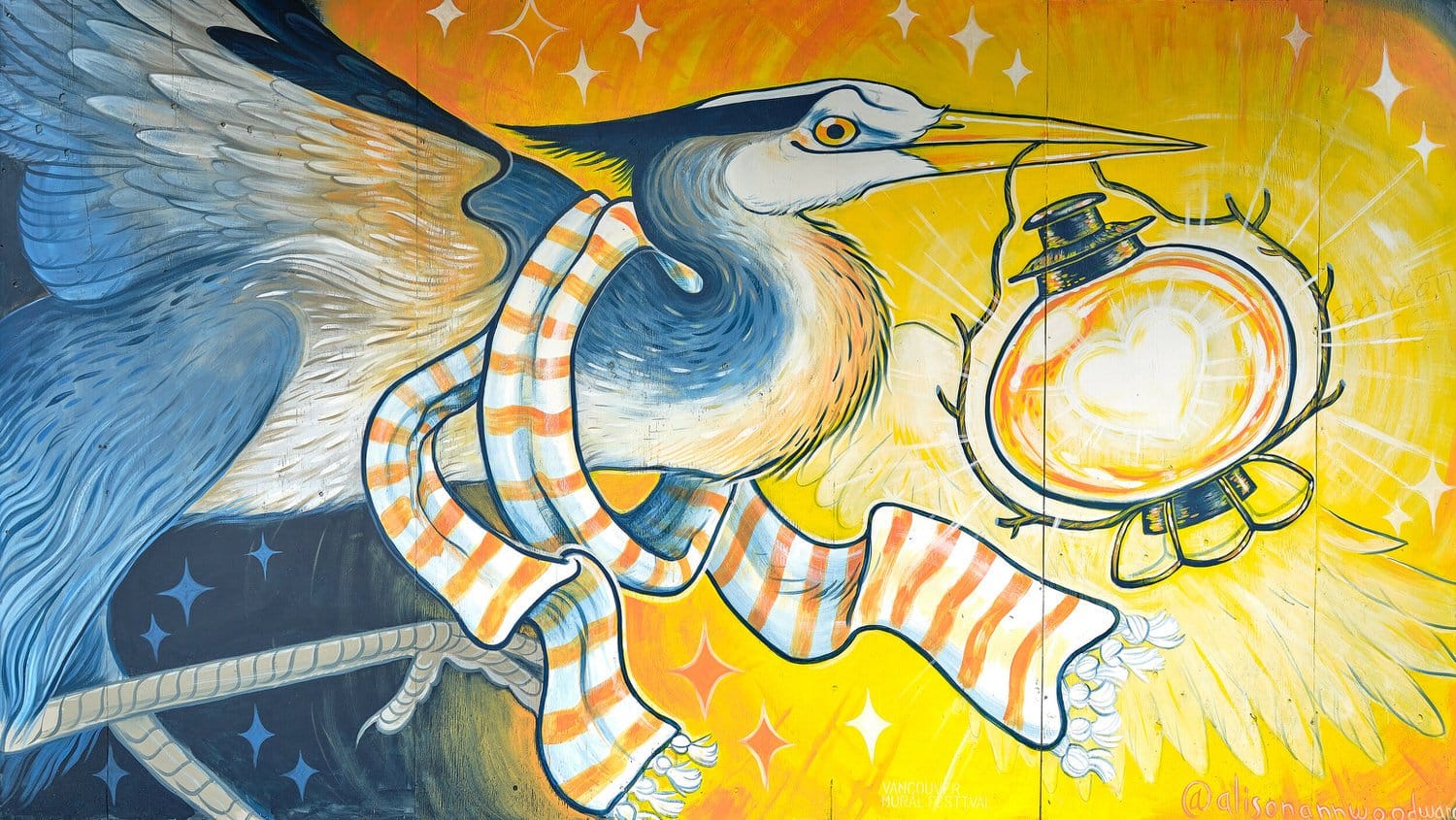
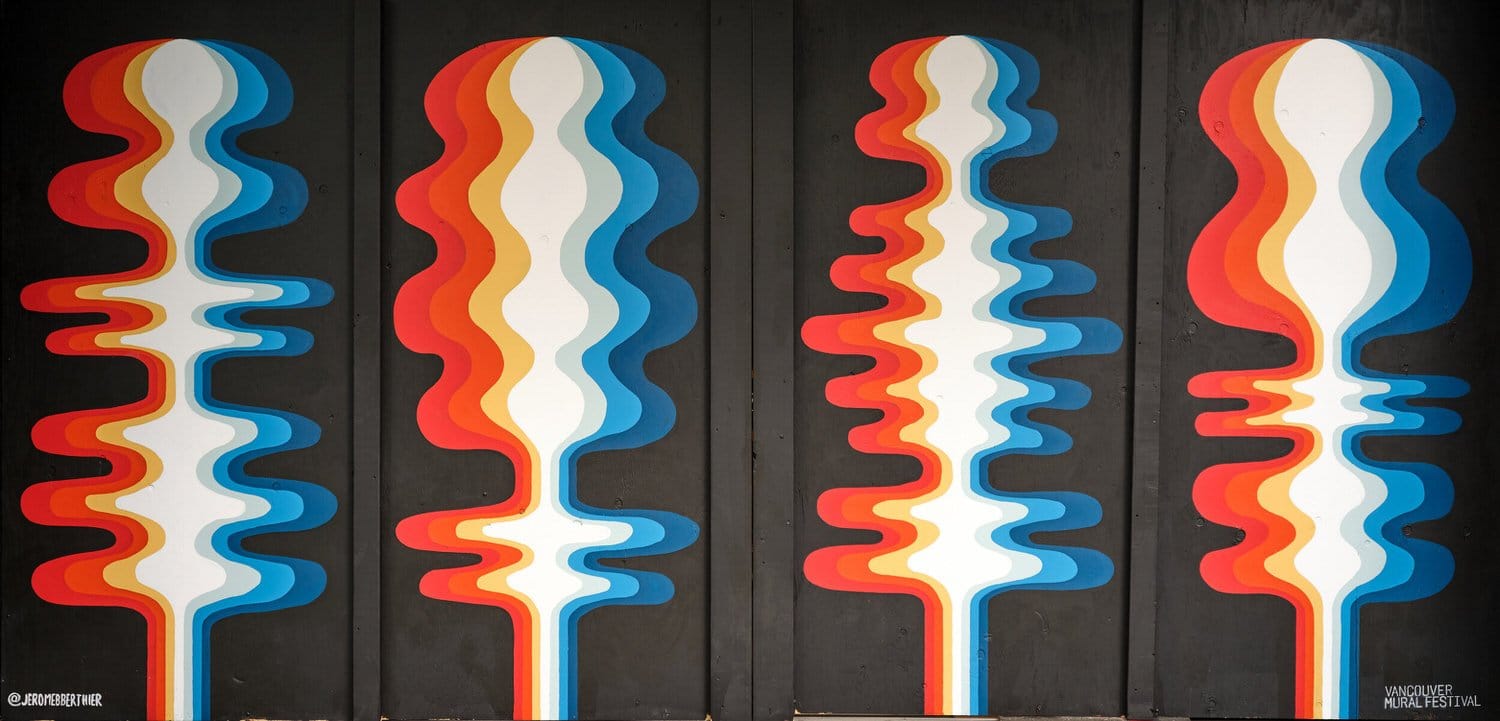
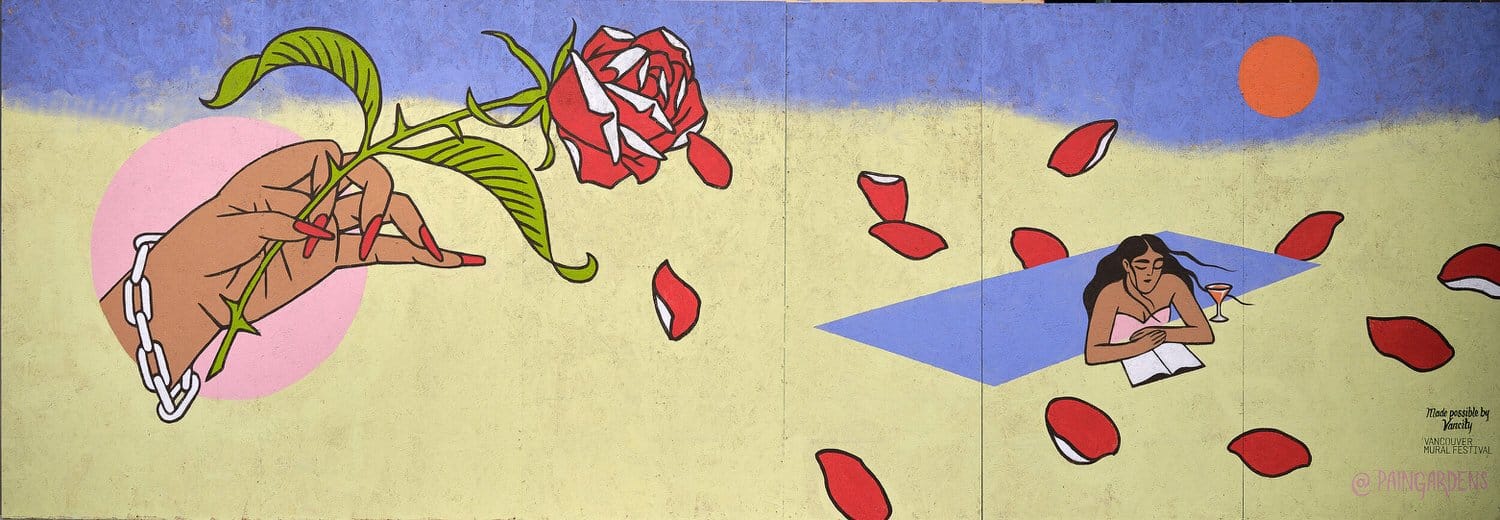
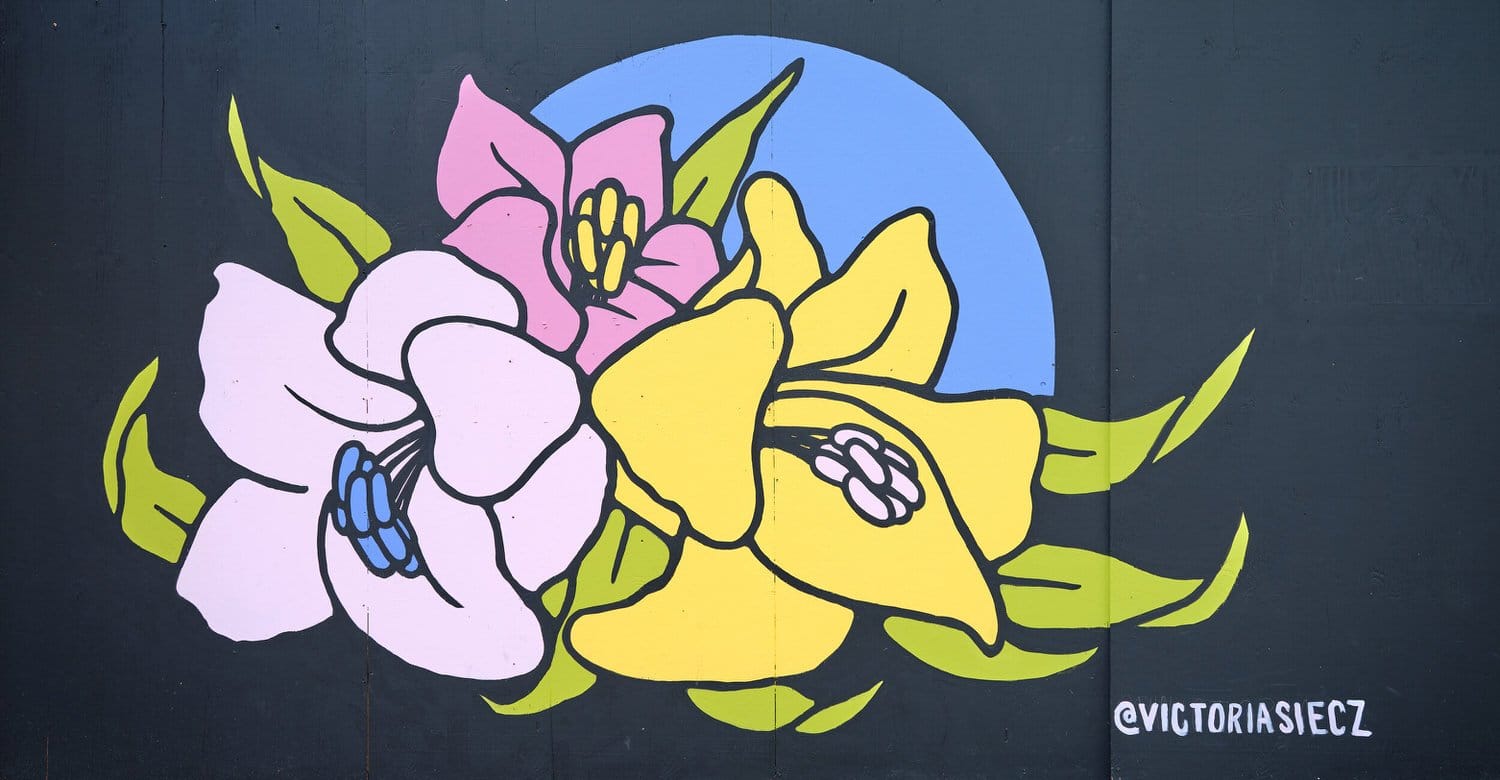
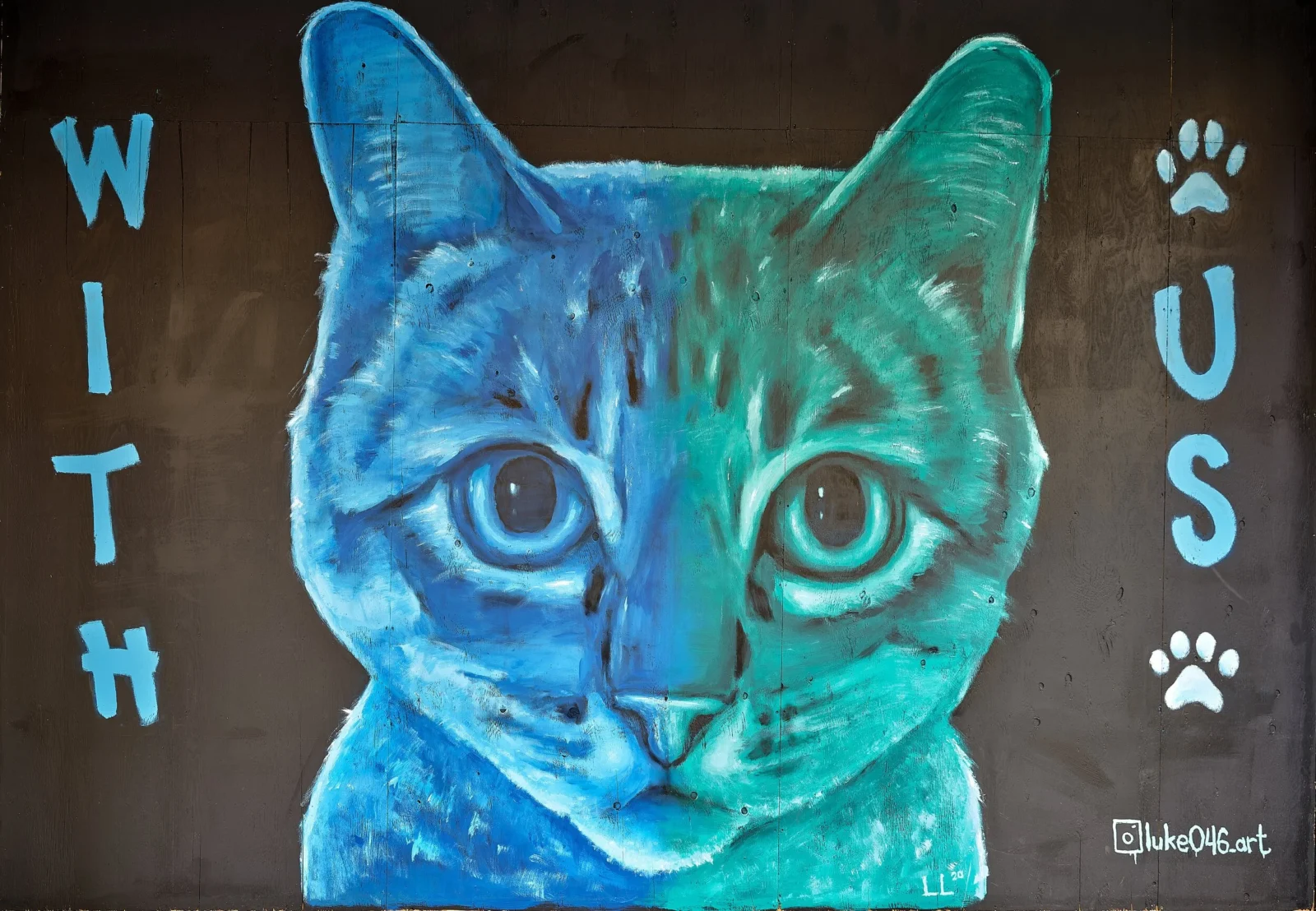
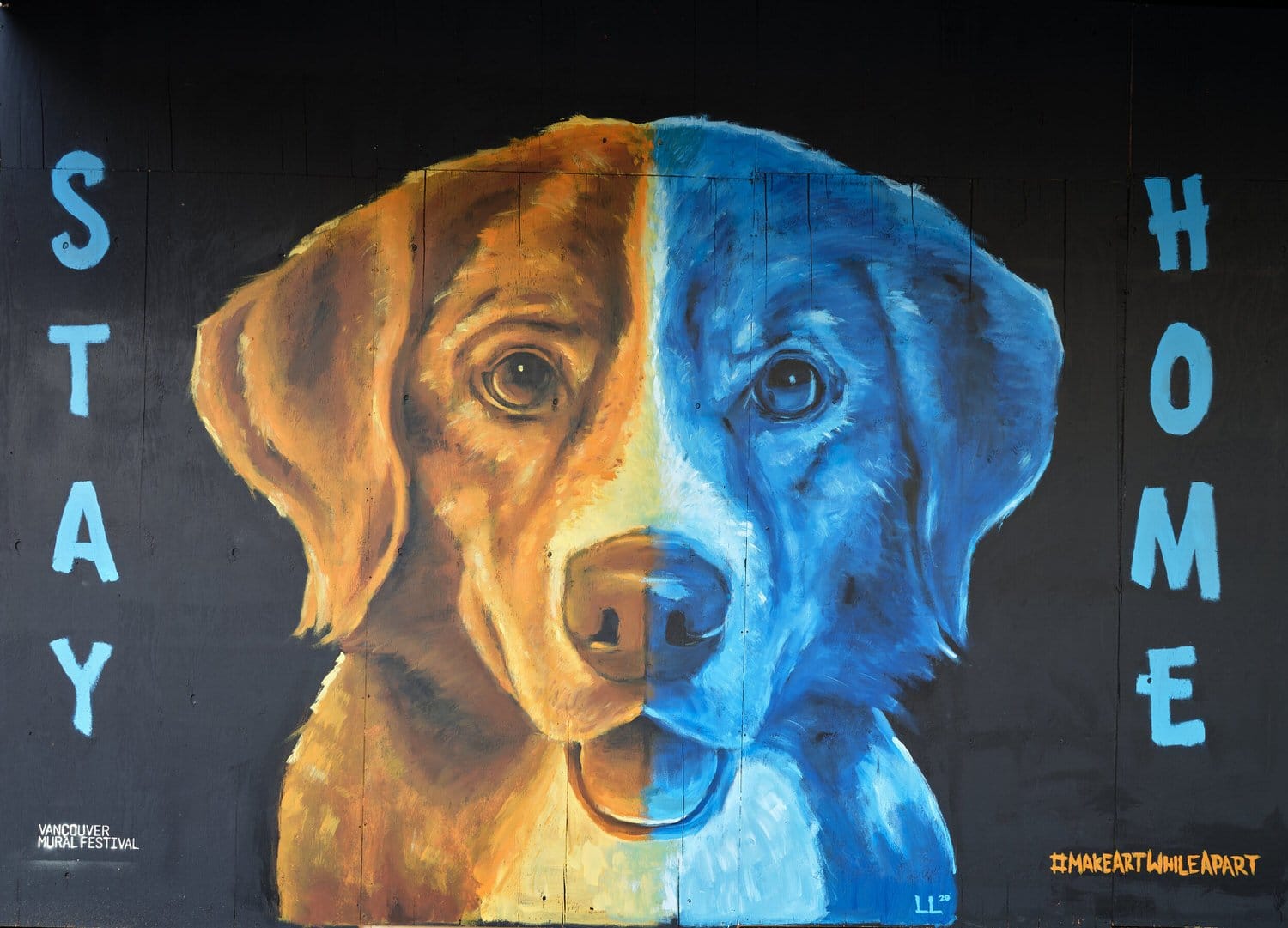
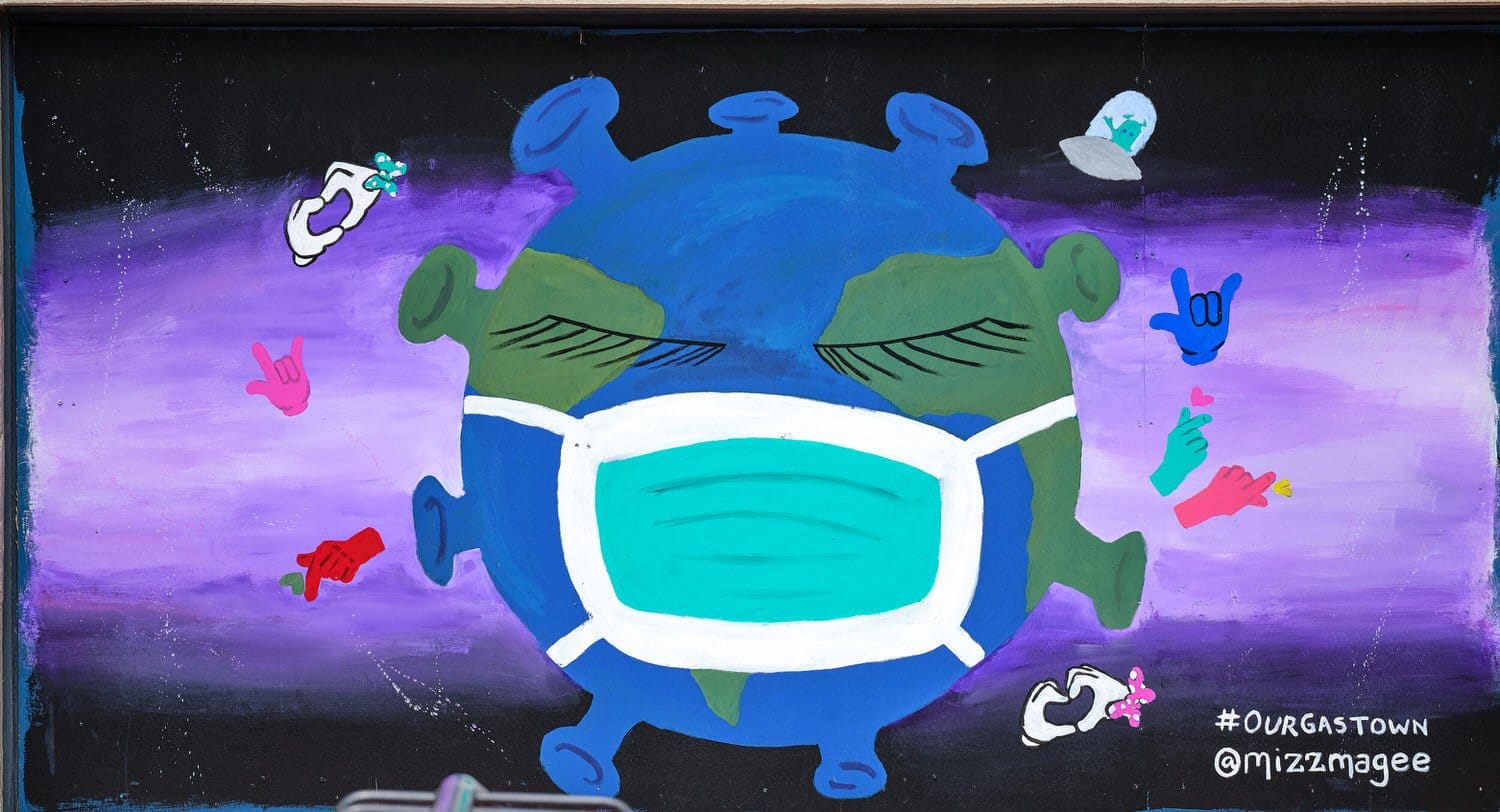
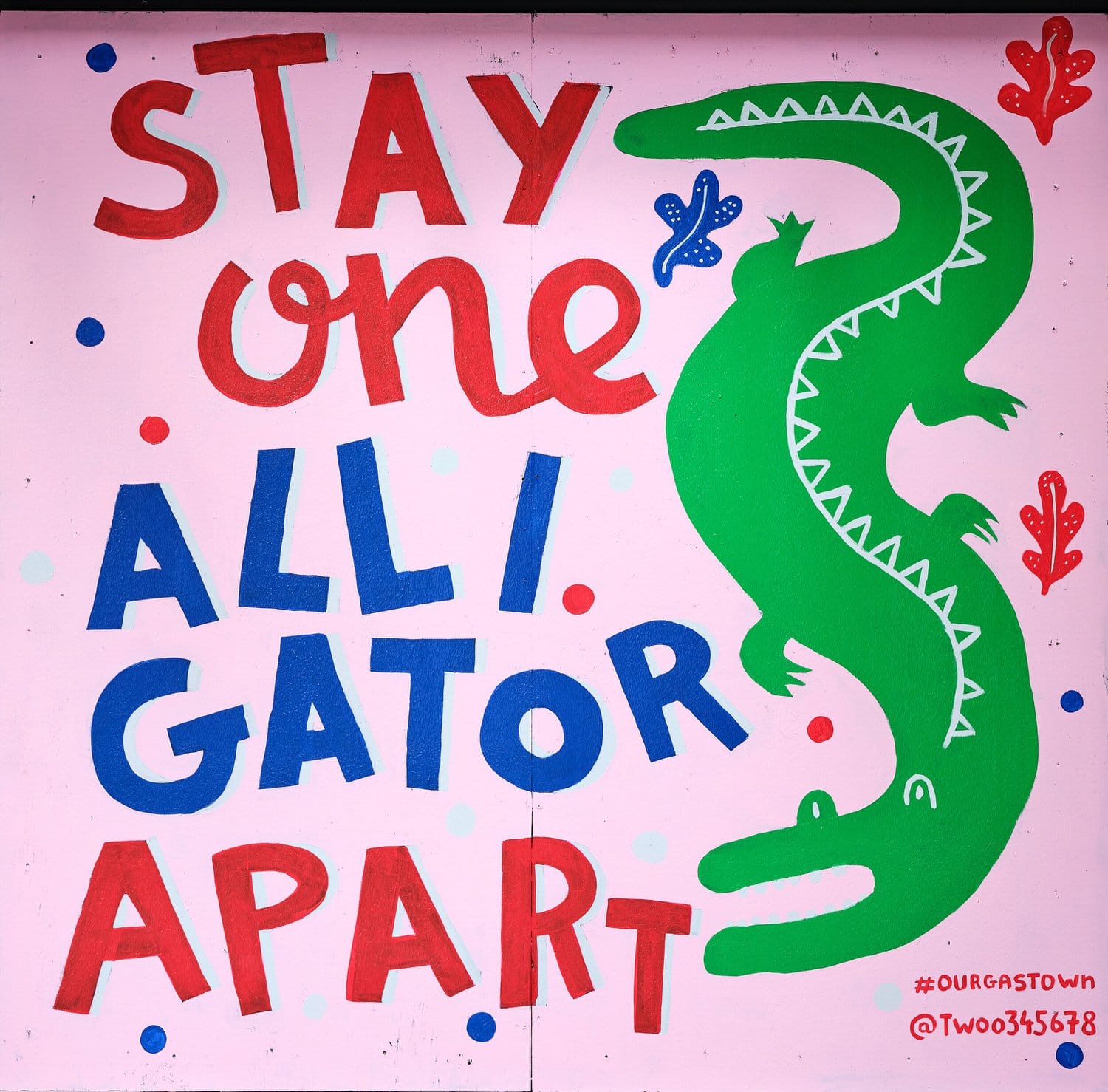
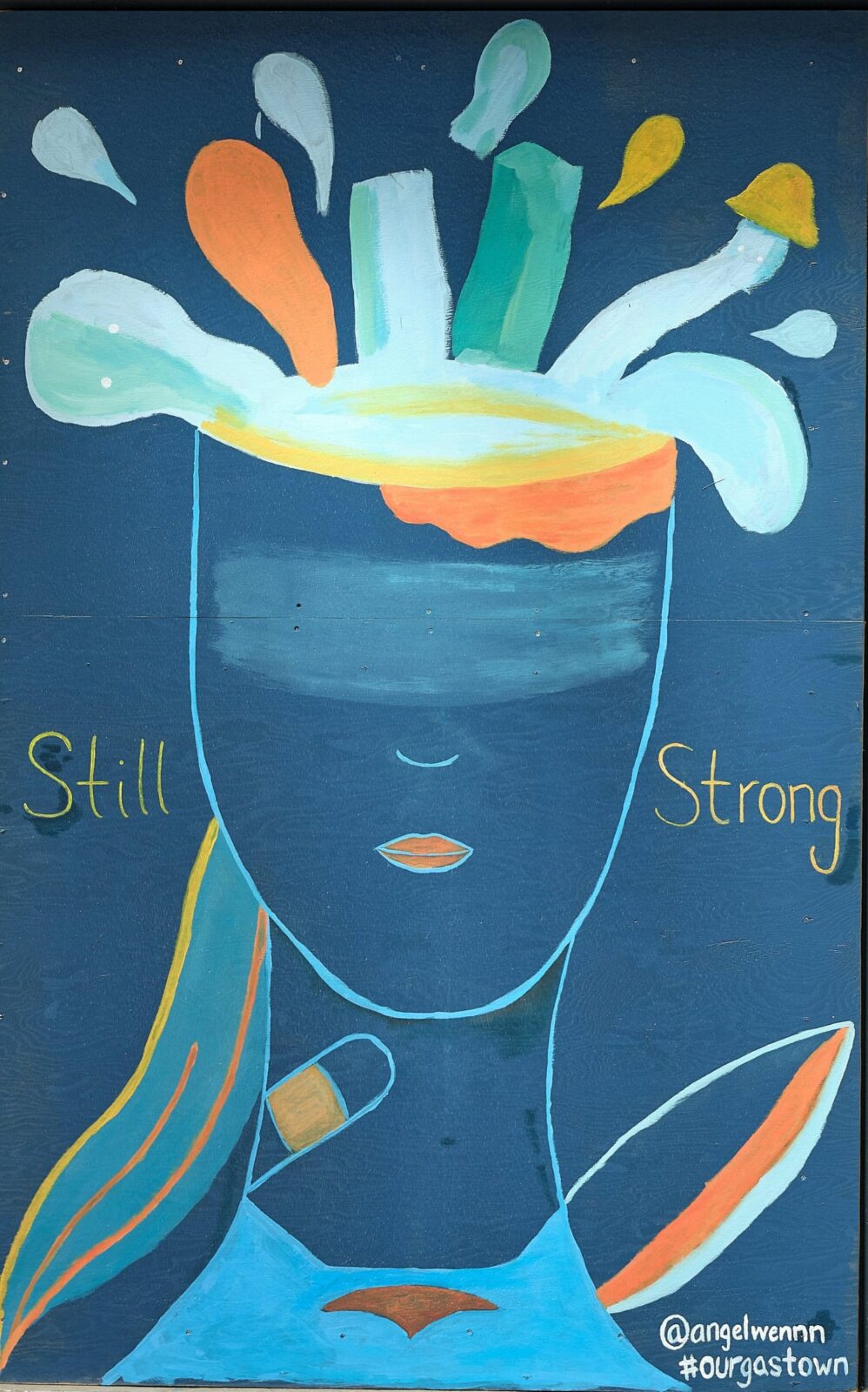
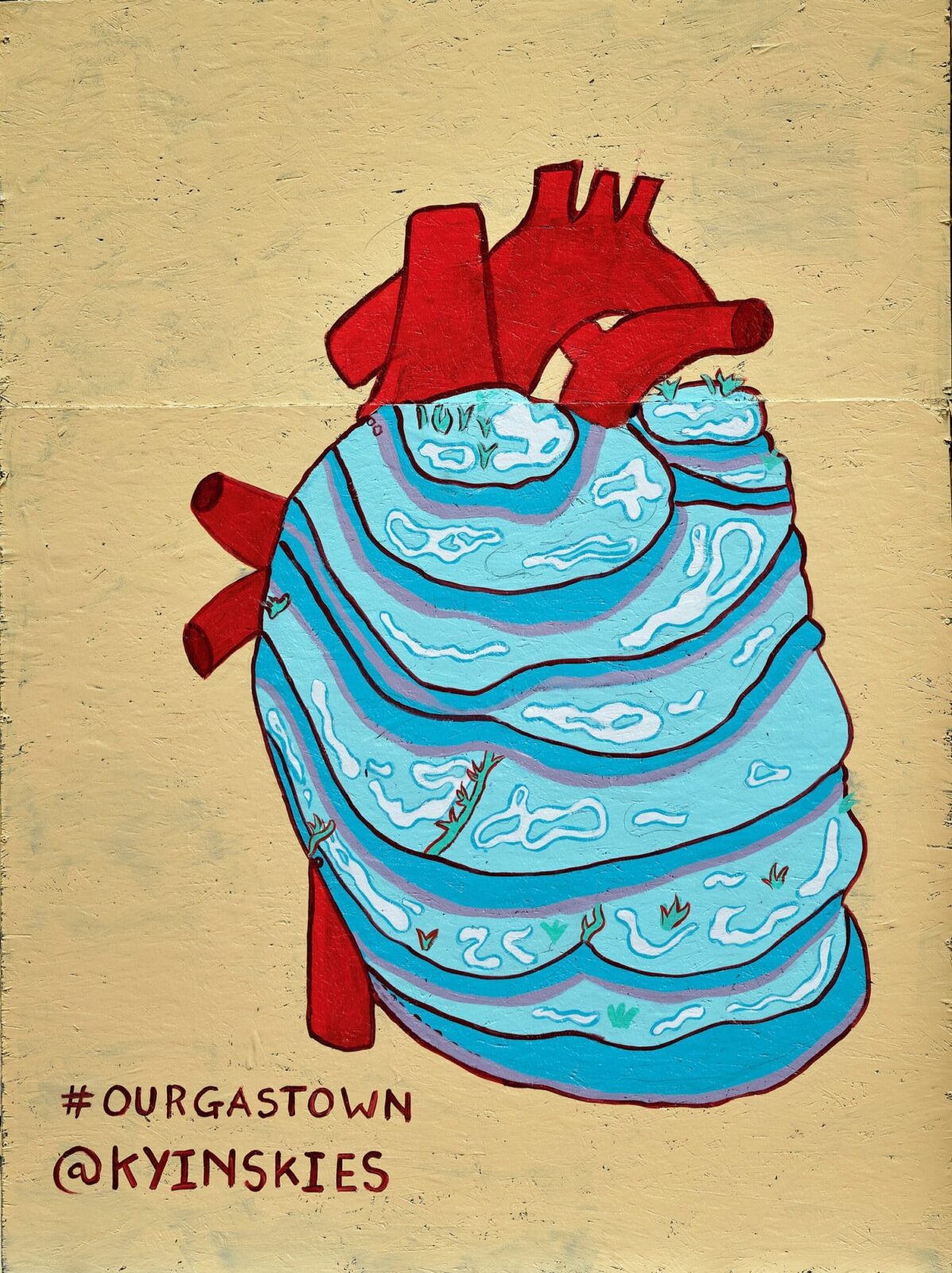
Here in Vancouver we didn’t have a real quarantine, it was more like, “be responsible” and for the moment is working. A lof of places here had to close and their shops are covered with beautiful murals that deserve to be inmortalize so we don’t forget that even on bad time there is a space for art. I have tried to keep the author of the murals on frame, I do not take credit of any them, just for the pictures. If your name is not in the mural and you see this post, please contact me to add a footnote.
Documenting the murals
When the shops closed, a lot of them boarded up their windows, and instead of leaving the plywood blank, artists filled it. For a few strange months the emptiest streets in the city were also some of the most painted. That is what these frames are about. Not the fear of the time, which everyone remembers well enough, but the fact that people answered a closed and nervous city by making it more beautiful, on surfaces that were only ever meant to be temporary.
That temporariness is the whole reason to photograph them. Plywood comes down. When the shops reopened, most of these murals went to the dump, so the only place a lot of them still exist is in pictures like these. Street photography usually chases people and moments, but here the subject was the walls, and the moment was a season that could not last by definition. I tried to keep the artist’s name in frame wherever it was painted on, because the work is theirs and I am only the person who pointed a camera at it. If your mural is here and your name is not, that is an oversight on the wall, not a claim on my part, and I would rather add the credit than leave it off.
Shooting quiet streets
Photographically, an empty city is a gift and a strange one. The clutter that normally fills a street scene, the traffic, the crowds, the parked cars, was gone, so the murals stood on their own against clean backgrounds in a way they never would in normal times. I worked fast and handheld, moving through neighbourhoods on foot, treating it as a document rather than a careful setup, because the whole point was to catch the walls before they changed again. Some of these are murals on famous corners, some on shops you would never notice otherwise, but together they are a record of how one city decided to spend a bad year, and I am glad I went out with a camera while it was still there to photograph.
Looking back, this small series matters more to me now than it did when I shot it. The murals are gone, the plywood came down, and the strange quiet of those streets is hard to even remember clearly. The pictures are the only part that stayed fixed, which is the thing photography quietly does better than anything else, it holds a version of a place that the place itself does not keep.