
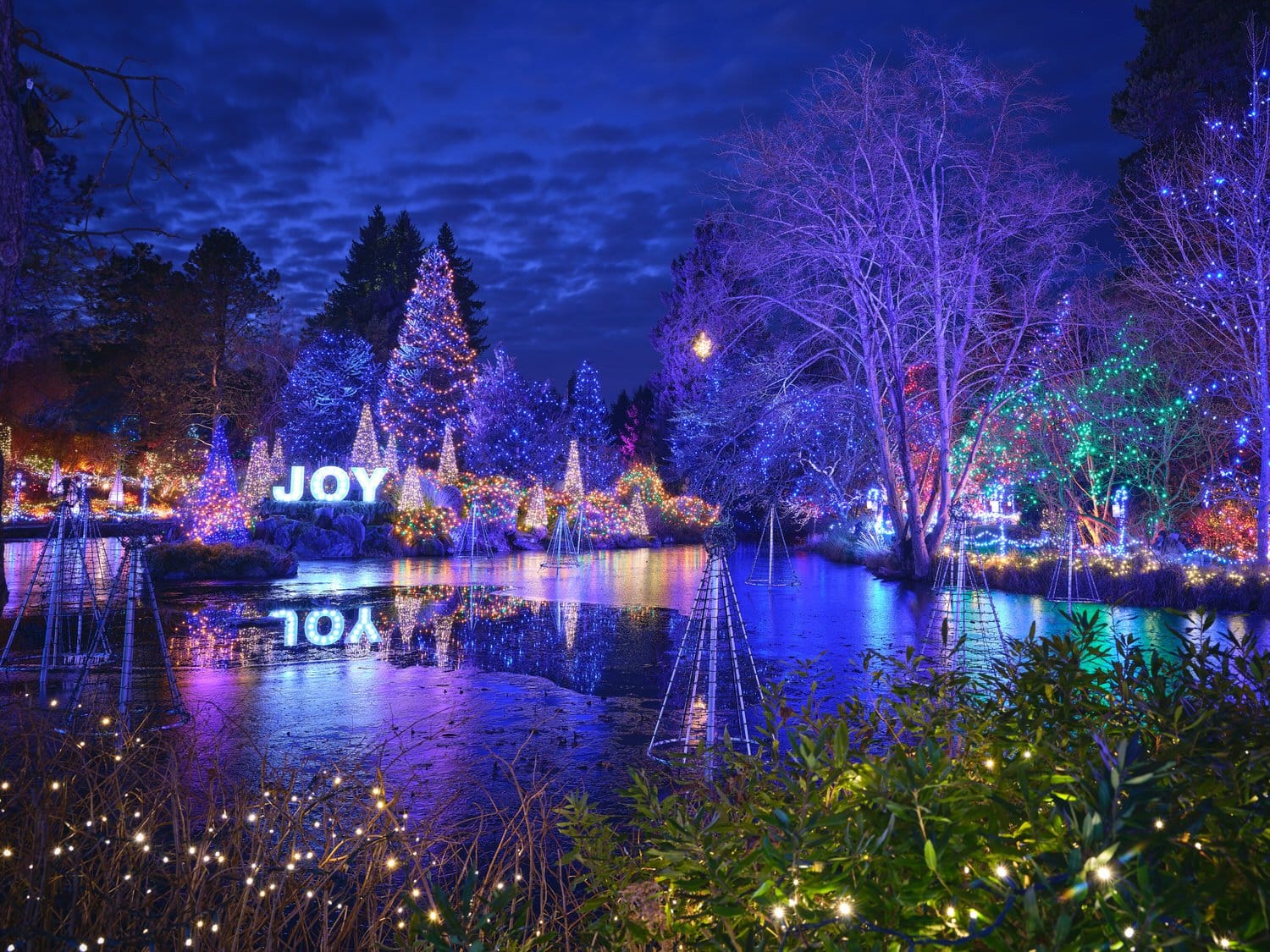
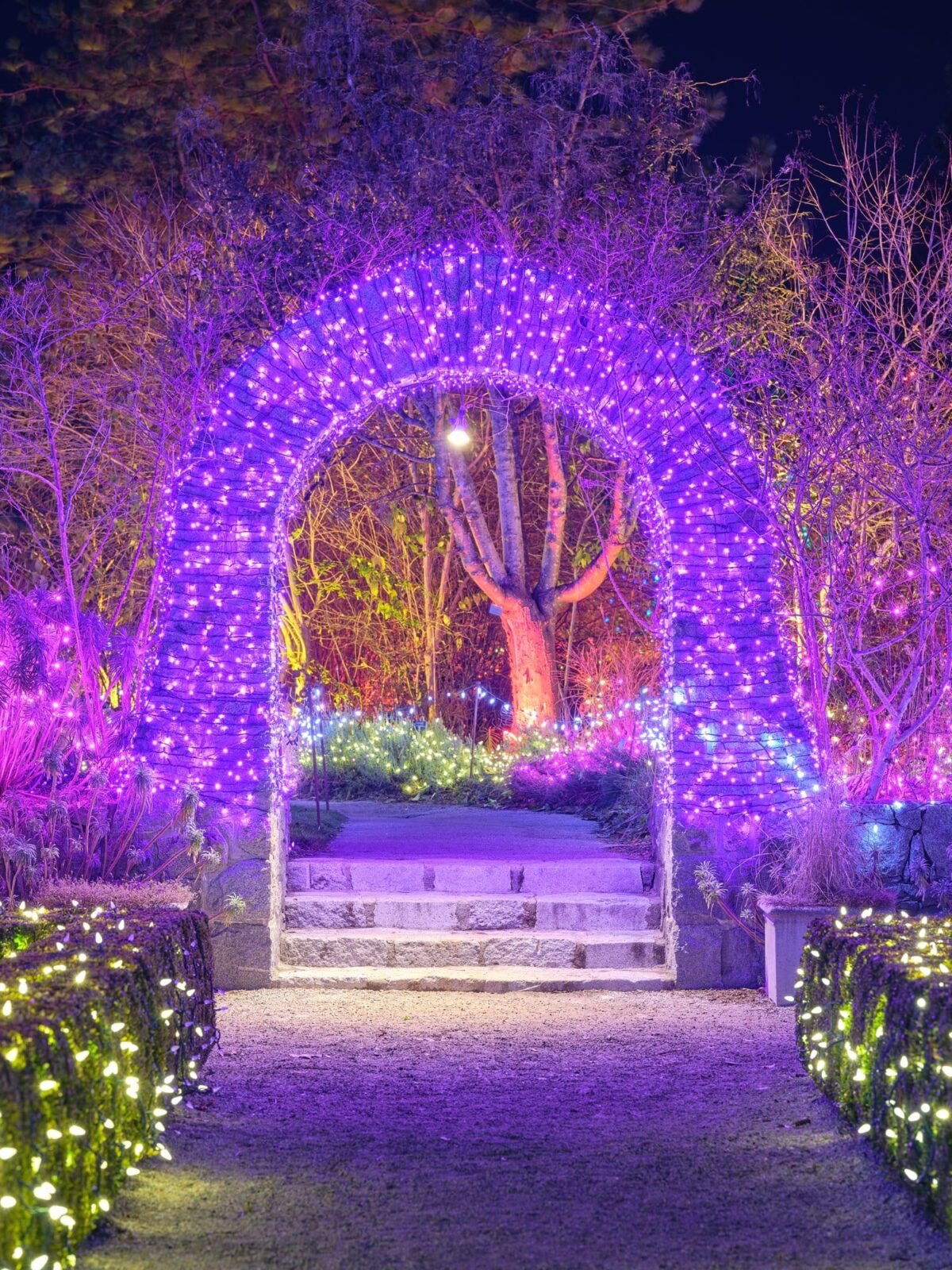
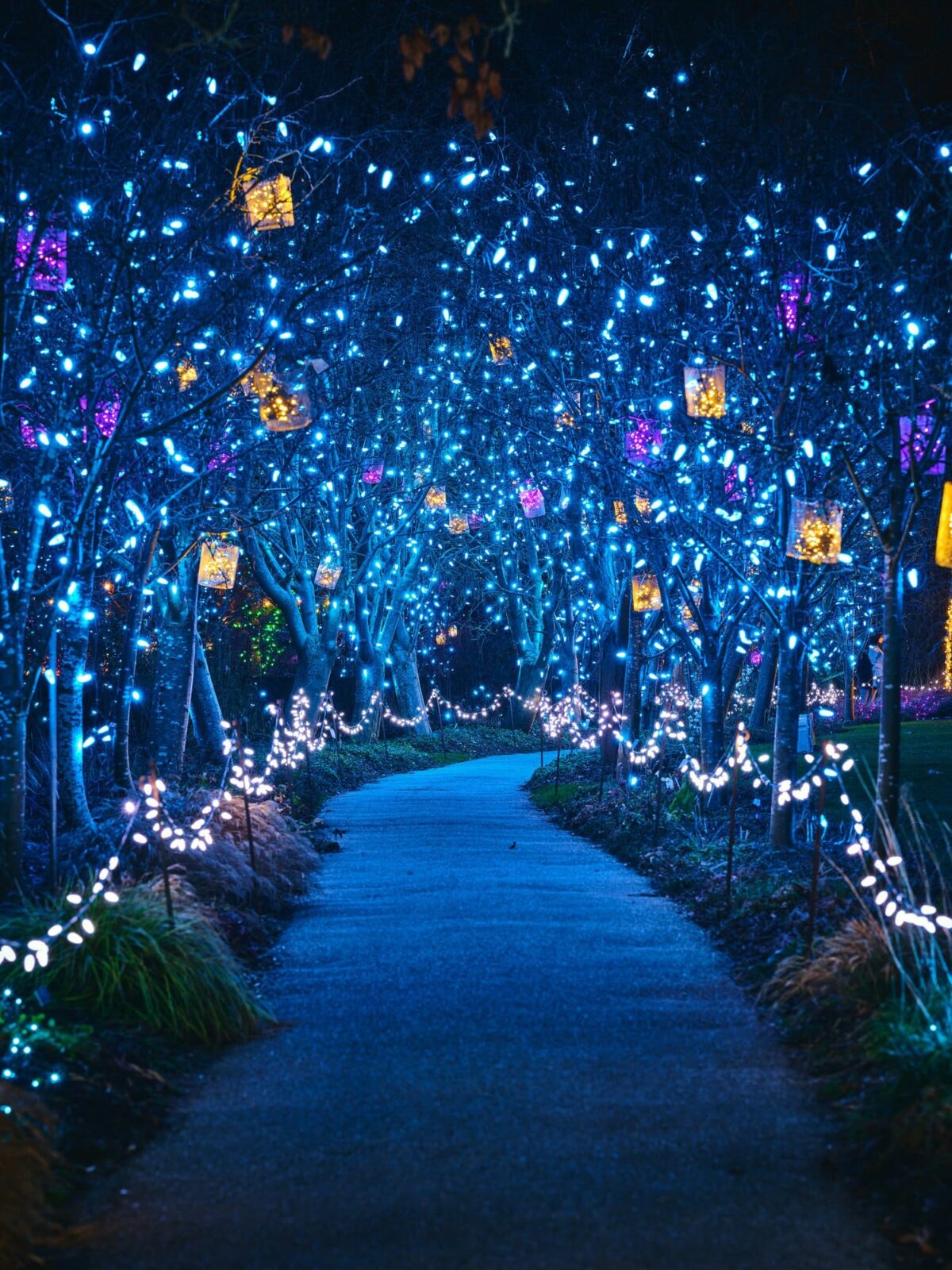
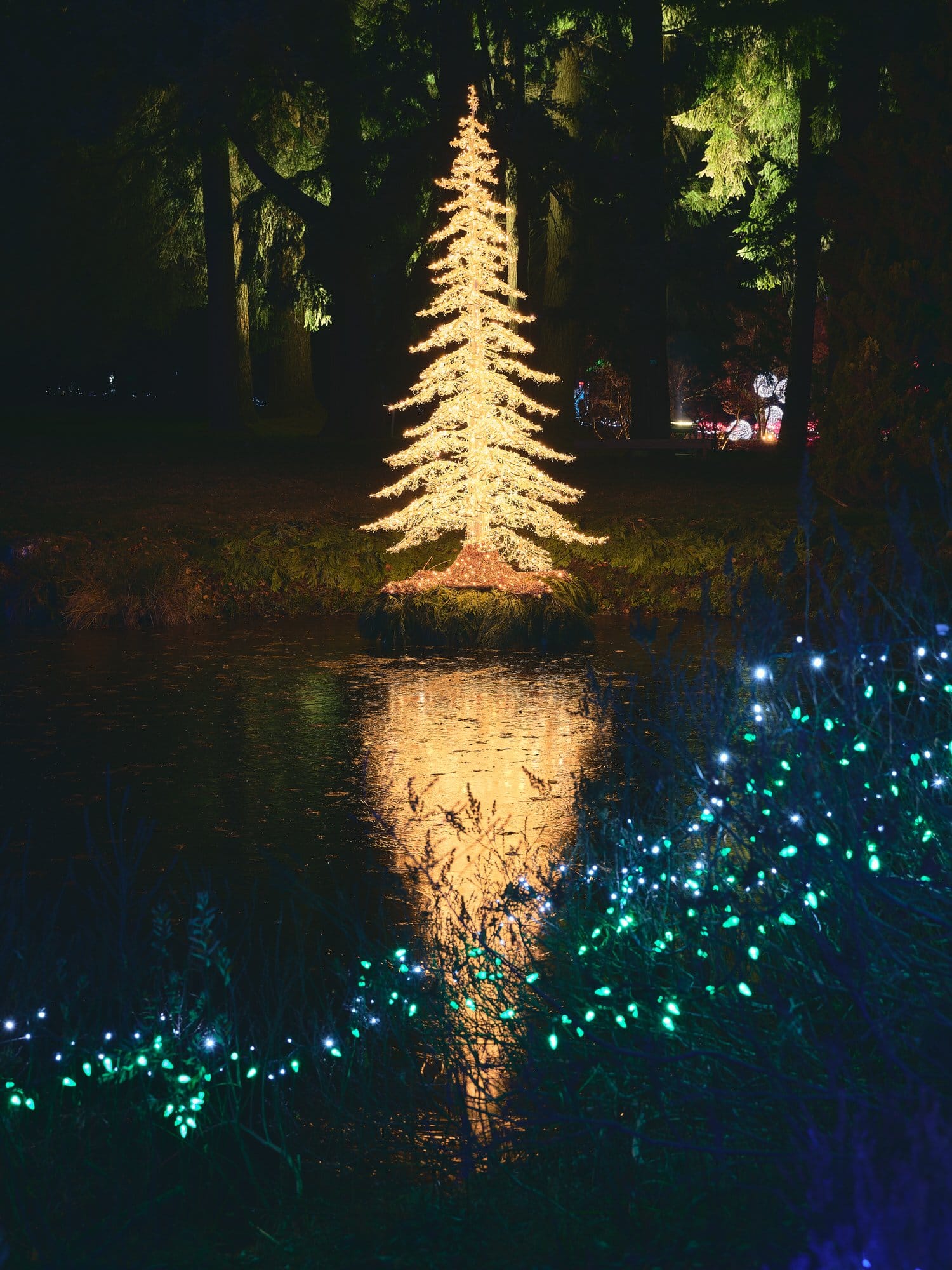
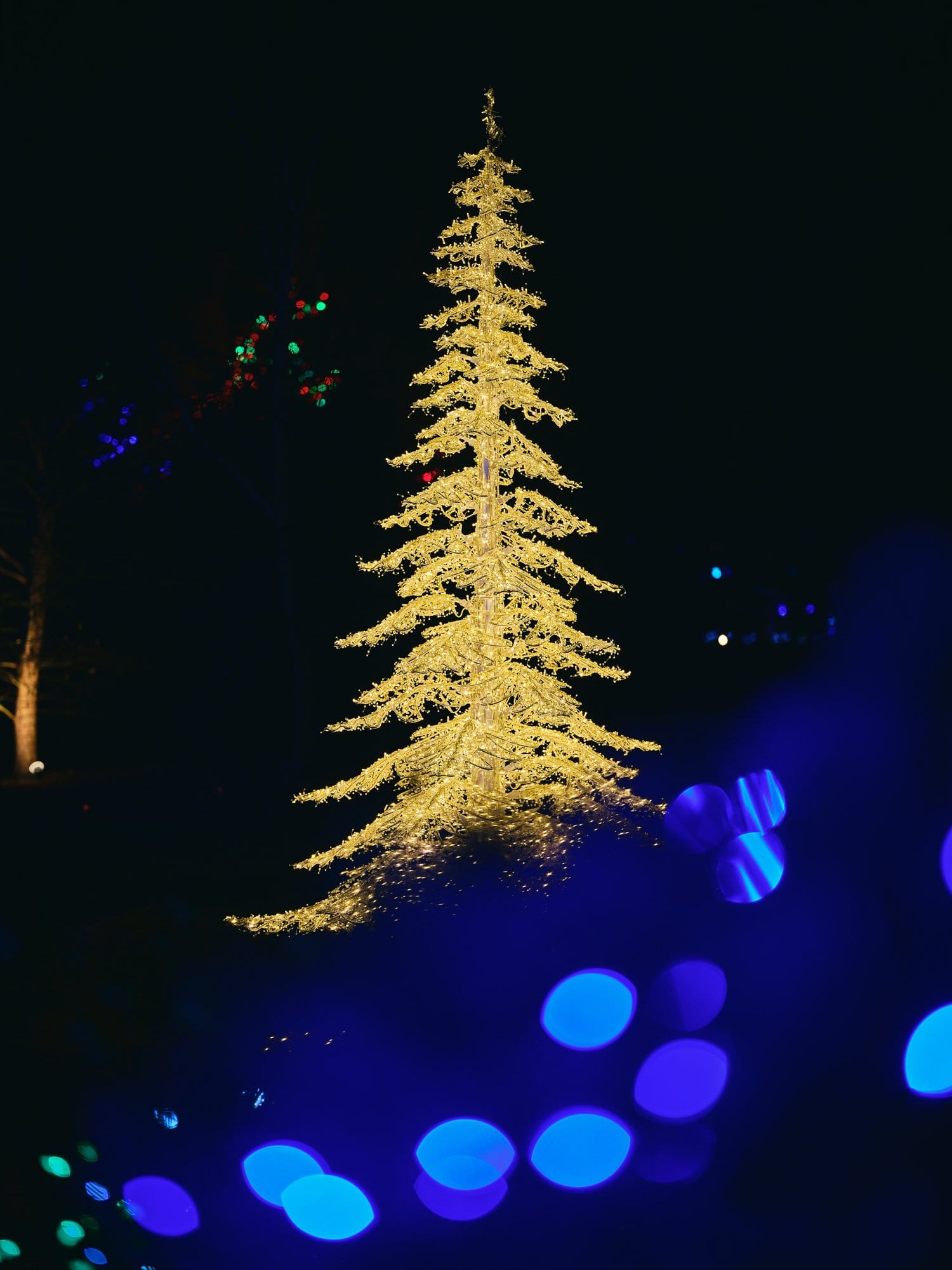
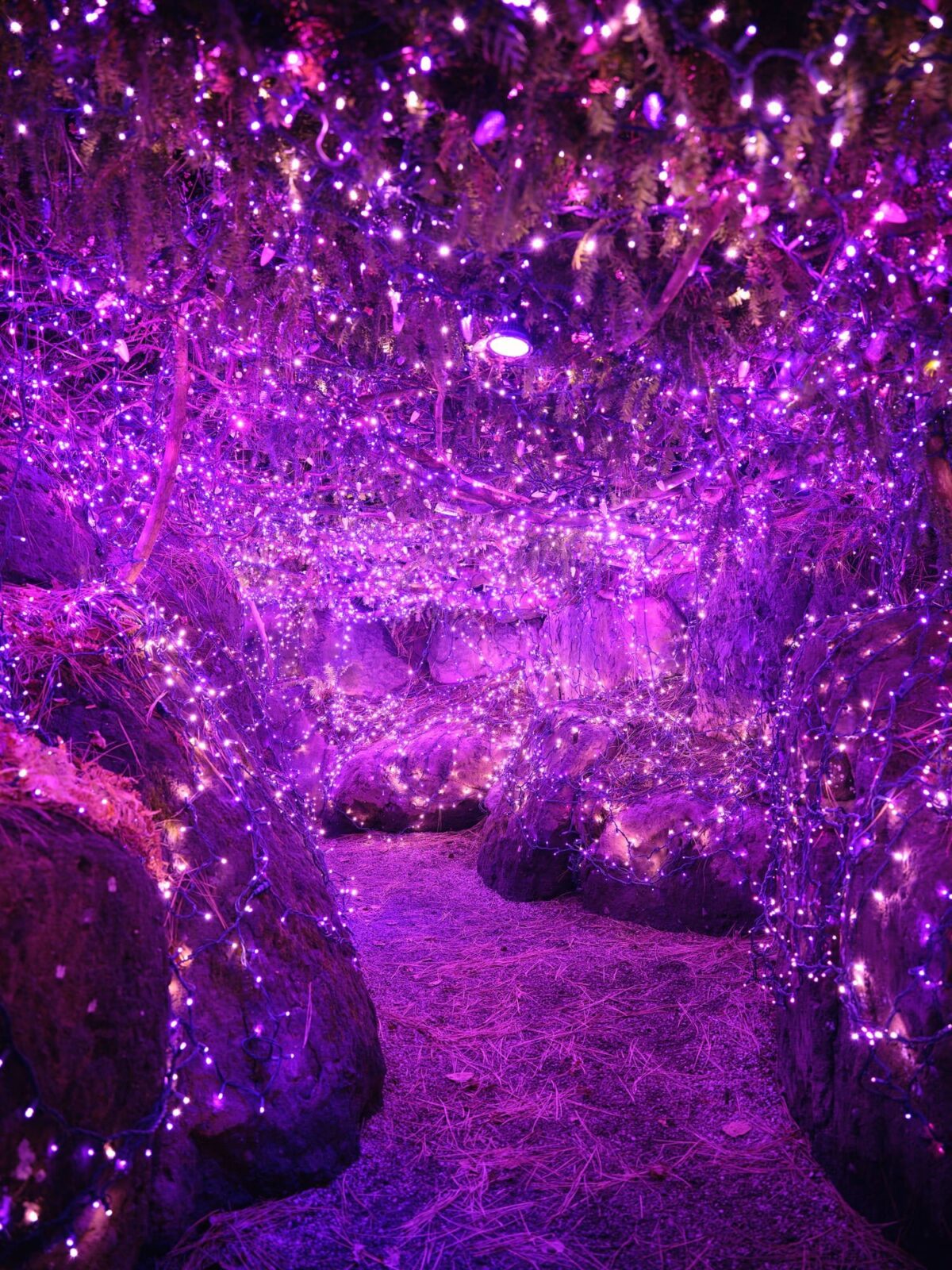
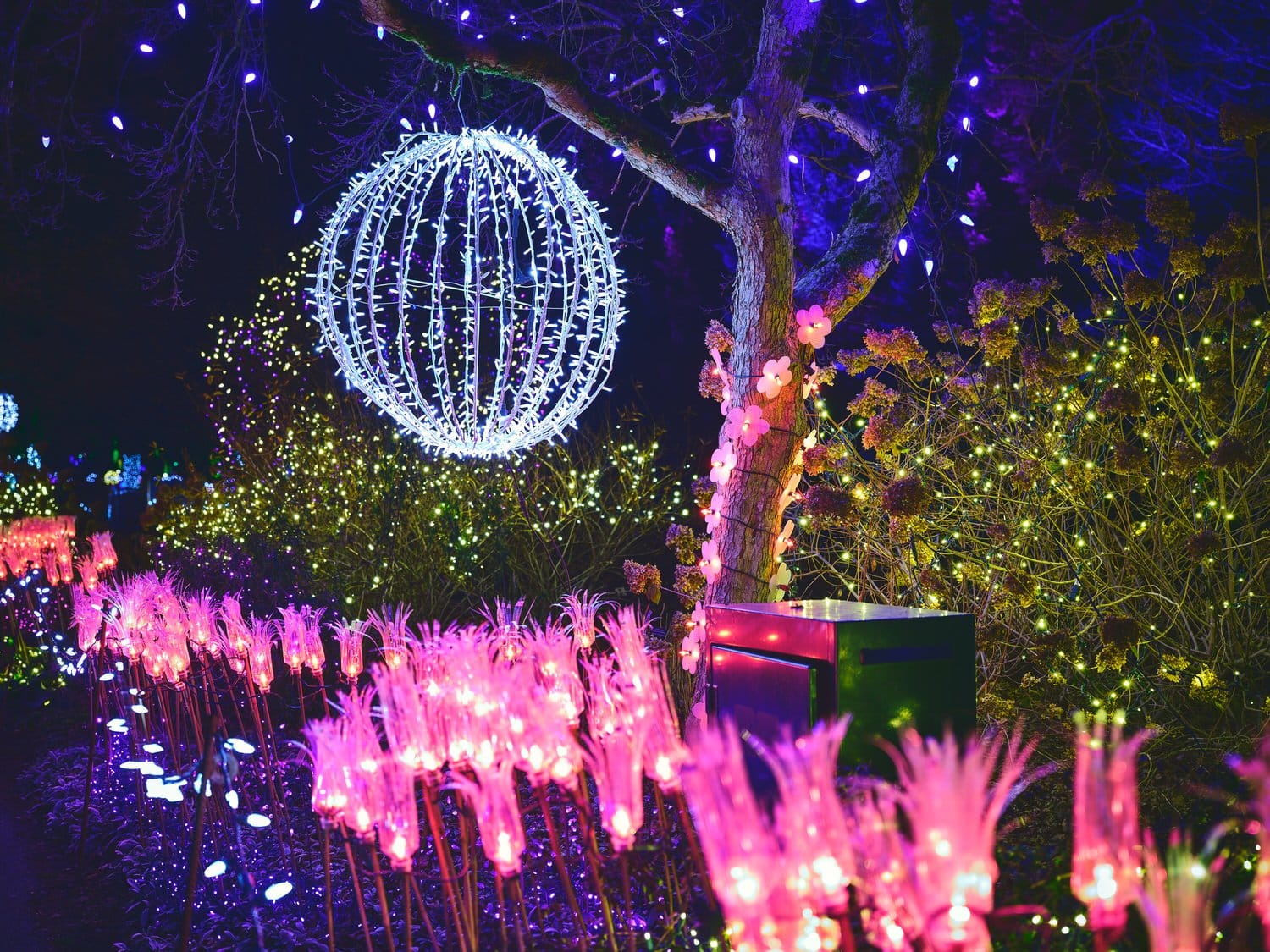
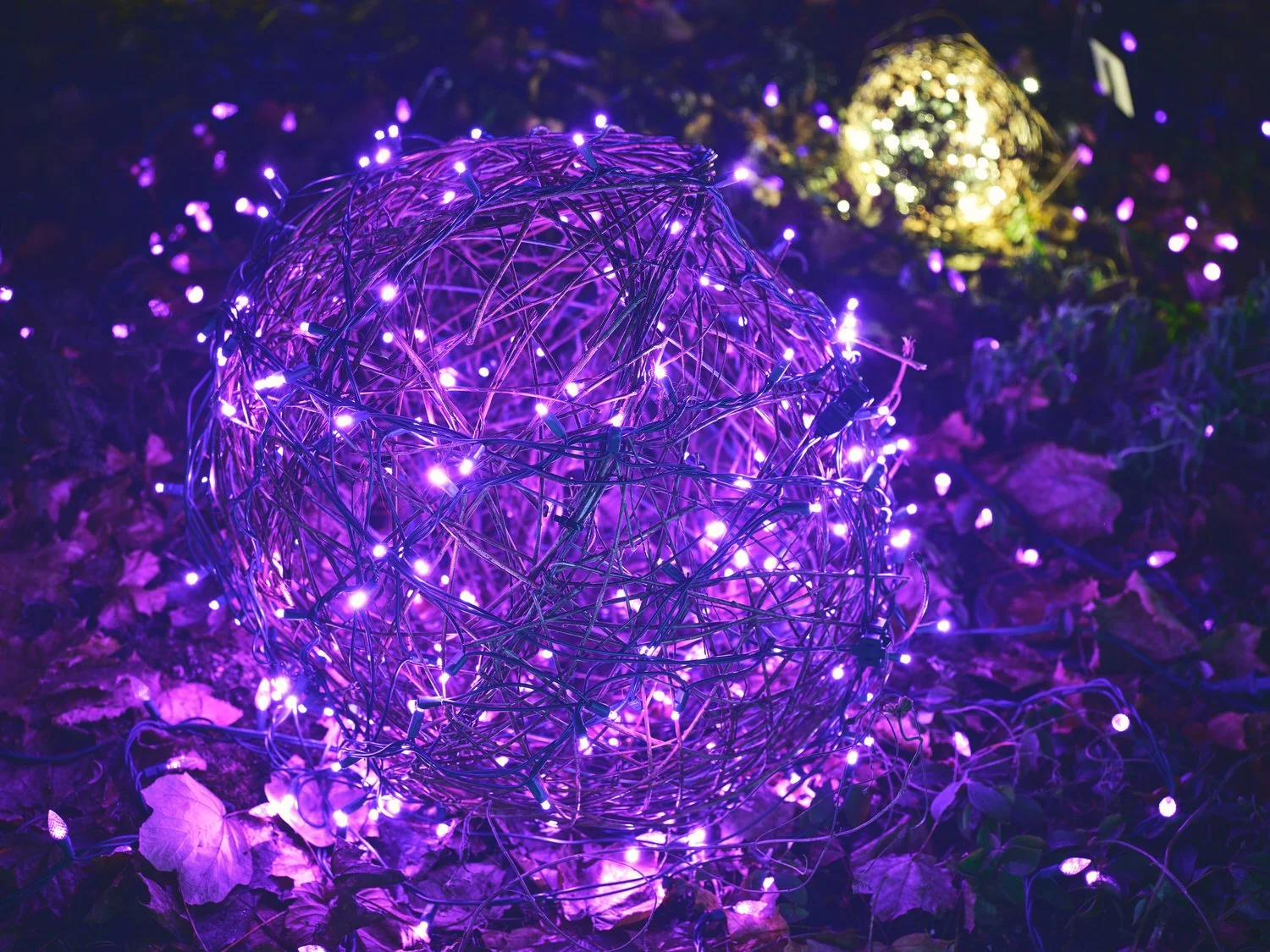
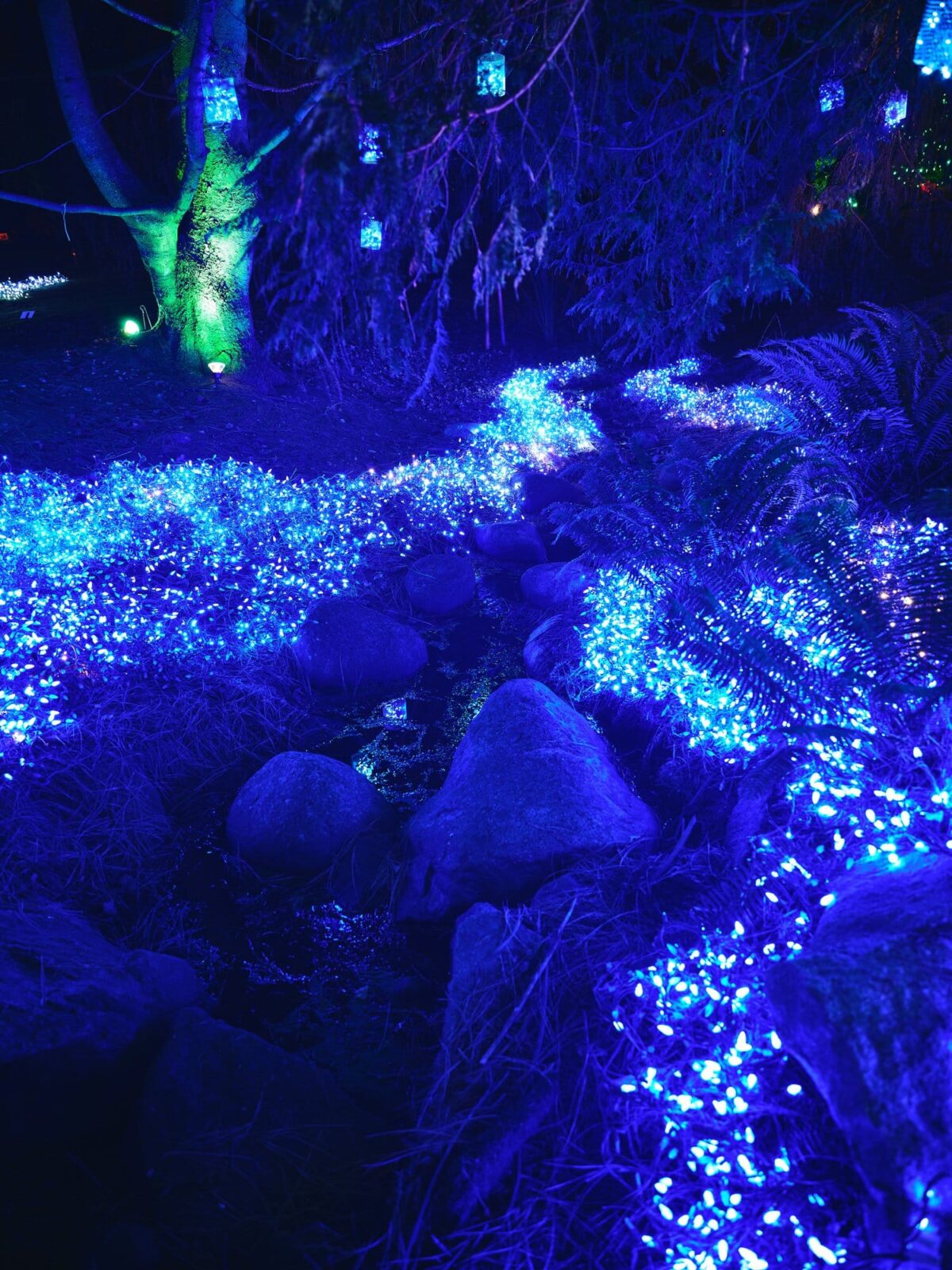
For the next couple of weeks, Vancouver is full of events with a beautiful display of night lights. One of the best takes place at the VanDusen botanical garden. This place greets photographers (and anyone, not only photographers) to join everyday from 4:00pm to 9:30pm with a huge deployment of lights.
Shooting the night
Vancouver runs on outdoor light shows in a way a lot of cities do not, partly because of the setting. Water on three sides, mountains behind, and long summer evenings give you a natural stage, and the events use it. The VanDusen Festival of Lights turns the botanical garden into a walkable field of lights through the winter, and in the summer the Celebration of Light sends international fireworks teams up over English Bay on competition nights while most of the city watches from the beaches. Both are worth photographing, and both punish you if you show up without a plan.
The technical part
Night light photography lives and dies on the tripod. Once the sun is down you are working at shutter speeds measured in seconds, and there is no handholding a multi second exposure. So the camera goes on legs, the shutter fires on a timer or a remote to avoid shaking it, and the exposure gets long enough to let the lights build up on the sensor. For fireworks specifically the trick is that a single burst is not one moment but a streak drawn over a second or two, so you hold the shutter open across the burst and let the trails write themselves onto the frame. Too short and you catch a frozen dot, too long and the sky turns to a bright smear, so you settle into a rhythm and read the show.
Reading the crowd and the light
The harder part is not the exposure, it is the position. On a fireworks night the good spots along the beach fill hours early, and once you are set up you cannot move, so composition is decided in advance, before a single shell goes up. You frame for where the bursts will be and where the skyline sits, then commit. For the garden lights it is the opposite problem, close subjects and mixed colour temperatures, warm strings against cool dusk, so white balance becomes a creative choice rather than a correct answer. In both cases the work is done before the picture, in the setup and the waiting, which by now is a theme in most of what I shoot. The camera records the light, but the photograph is made in everything you decide before you trip the shutter.
Why bother going out for it
Events like these are easy to watch and hard to photograph well, which is exactly why they are worth the effort. Anyone with a phone gets a shaky, overexposed clip of a firework, and it looks like every other one. To come back with something better you have to treat it as a real shoot, scout the position, set up early, lock down the tripod, and understand that the picture is decided long before the first shell goes up. That gap between the easy version and the considered one is the whole reason to carry proper gear down to a crowded beach and stake out a spot hours ahead of a show everyone else just strolls up to.