
Yasmin, on 8×10
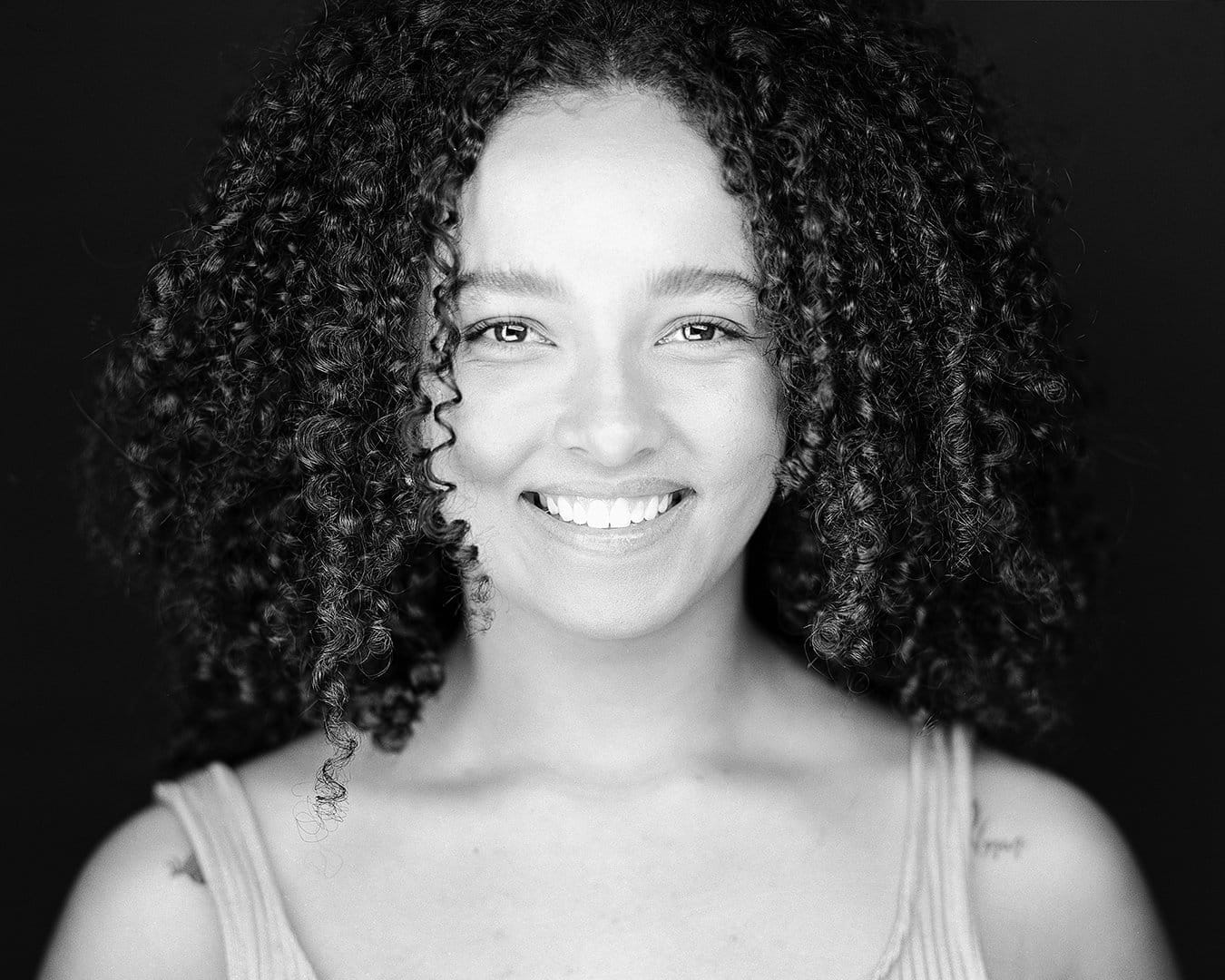
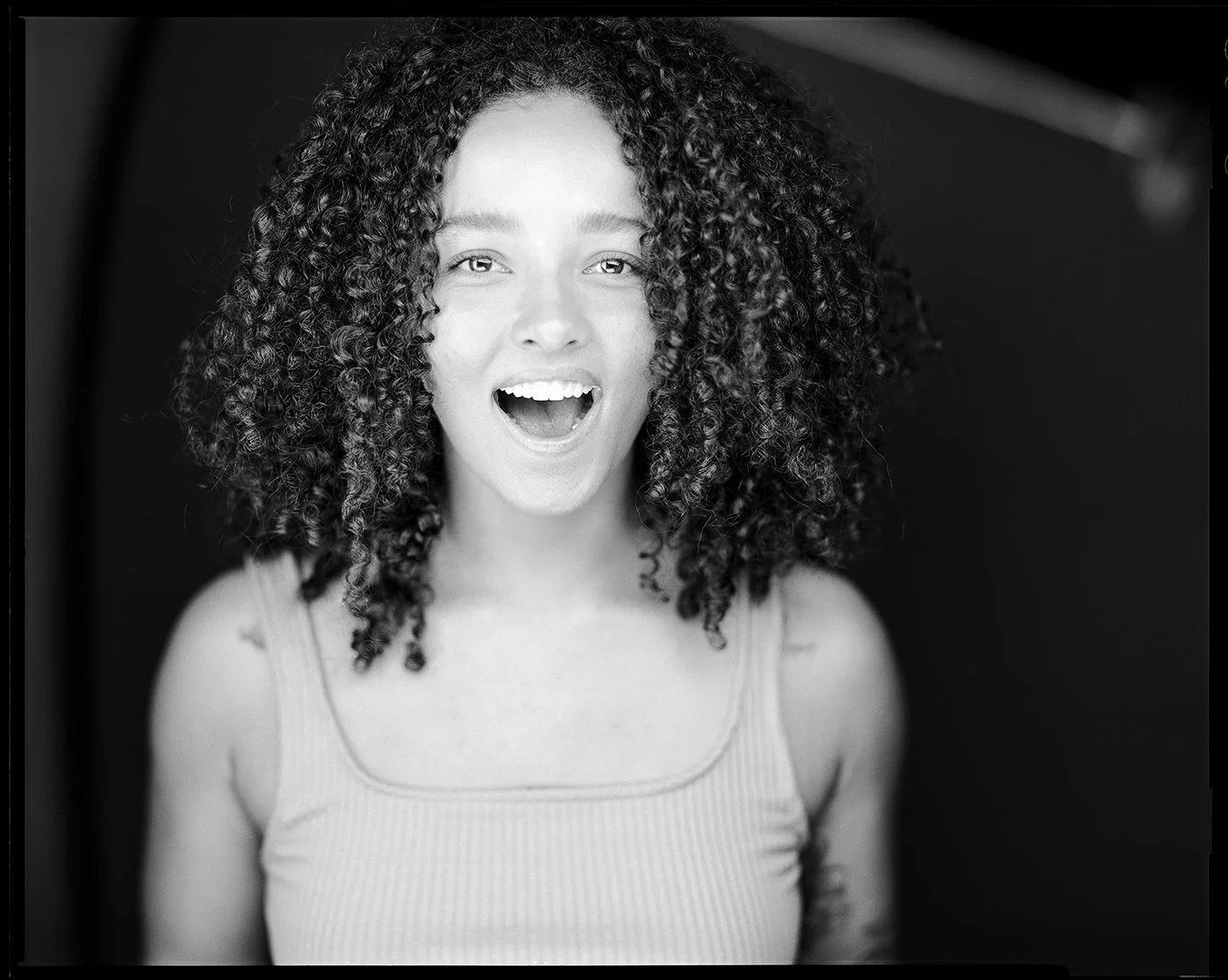
This is a large format film portrait of Yasmin, made on the Gibellini 8×10 with a Fujifilm 360mm lens on Ilford HP5, developed in DD-X. The original words under this frame were generic marketing about headshots, which had nothing to do with the actual photograph, so this is the real story of how the frame was made, which is more interesting than the boilerplate ever was.
Wide open, razor thin
The key detail is the aperture, f/6.3, which is wide open for this lens. On an 8×10 at portrait distance, wide open means the depth of field is razor thin, thin enough that the plane of sharp focus might be only the eyes, with the ears and the hair already falling away. That is a deliberate choice. It isolates the face from everything around it in a way no small camera can imitate, because the effect comes from the physical size of the film and the lens, not from software added afterward.
The bellows factor
The notes mention a bellows extension factor, and that is a real part of shooting portraits on a view camera. When you focus a large format lens close, the bellows extends and the light falling on the film drops off, so you have to add exposure to compensate, more than you would think. Ignore it and a close portrait comes out underexposed. On this frame that meant opening up further and adjusting, which is part of why I ended up wide at f/6.3 and had to manage the exposure carefully to keep it printable.
Black and white for a face
HP5 in DD-X is a classic black and white portrait combination, a forgiving, sharp film in a developer that holds the tones cleanly. Stripped of colour, the portrait comes down to the light on the skin and the structure of the face, and an 8×10 negative renders that with a smoothness that is hard to describe until you have seen a print off one. There is no grain to speak of at this size, just continuous tone from highlight to shadow.
What the format asks of the sitter
Sitting for a portrait like this is not like a normal shoot. Yasmin had to hold still and hold her expression while I focused under a dark cloth on an upside down image, and every frame was a single sheet loaded one at a time, so there was no burst to hide in. That shared patience is usually what makes these portraits work. The nervous energy a fast camera feeds on drains away, and what the film records is closer to how someone actually looks when they stop performing for the lens.
Camera: Gibellini AG810
Lens: Fujifilm W 360mm f6.3
Film: Ilford HP5 Plus 400
Developer: Ilford DD-X 1+9
Developed at: 400 ISO
Number of interruptions of people asking about the camera: 0
Exposure time: 1/30s
Bellows Extension Factor: 1
Aperture: f/6.3 (reason why I had to pull couple stops)
Digitized: SilverFast 9
Post Process: Photoshop
HP5 deserves a last word here. It is one of the most forgiving black and white films made, which is exactly why it suits a demanding setup like a wide open 8×10 portrait, it gives you room to be slightly off on exposure and still land a printable negative. Paired with the smoothness of a sheet this large, it produces a portrait with real presence and almost no visible grain. The generic marketing that used to sit under this frame said nothing about any of that. The actual picture is the result of specific, deliberate choices, a particular film, a particular aperture, a particular way of working, and that is the story worth telling.