
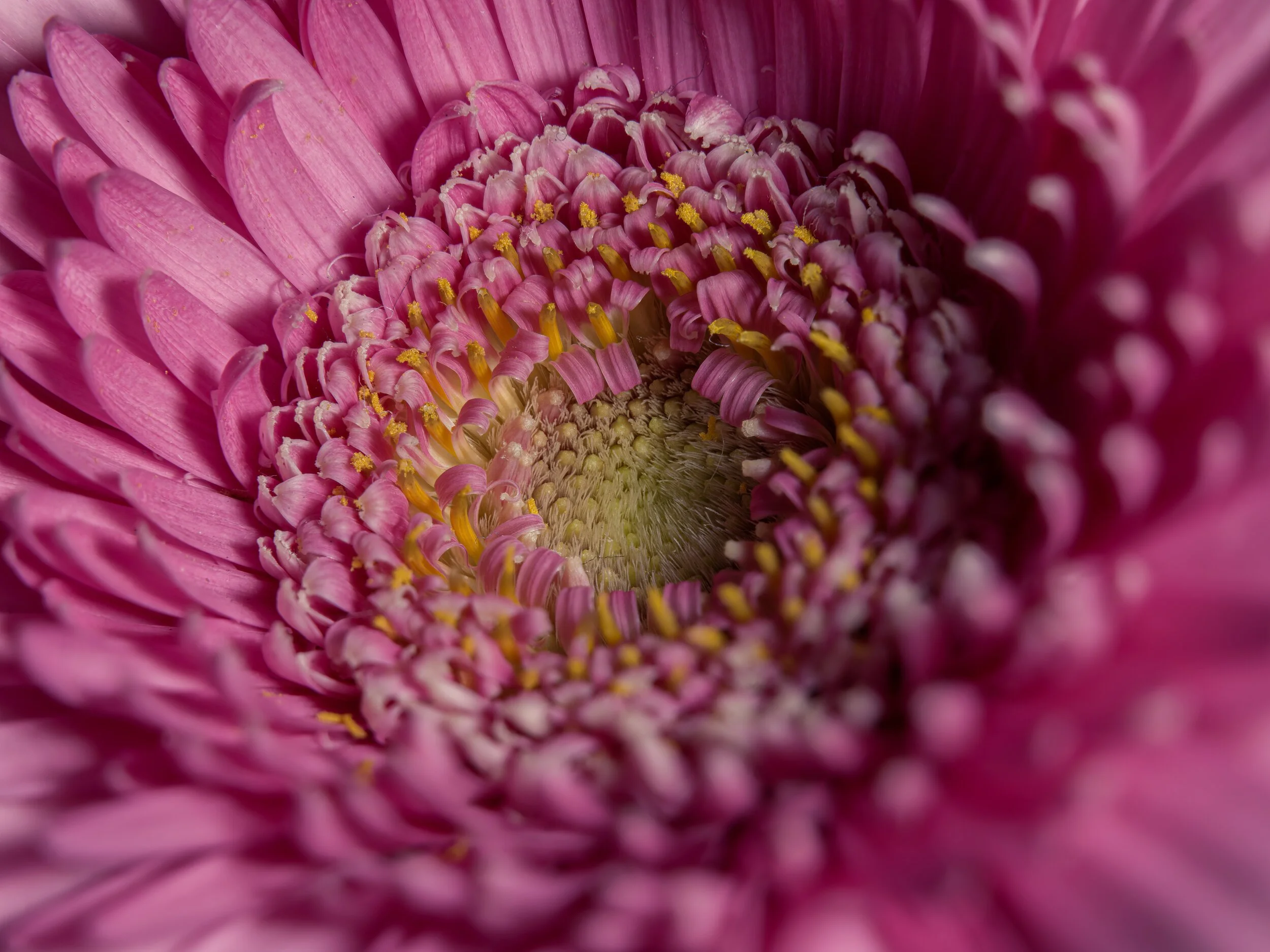
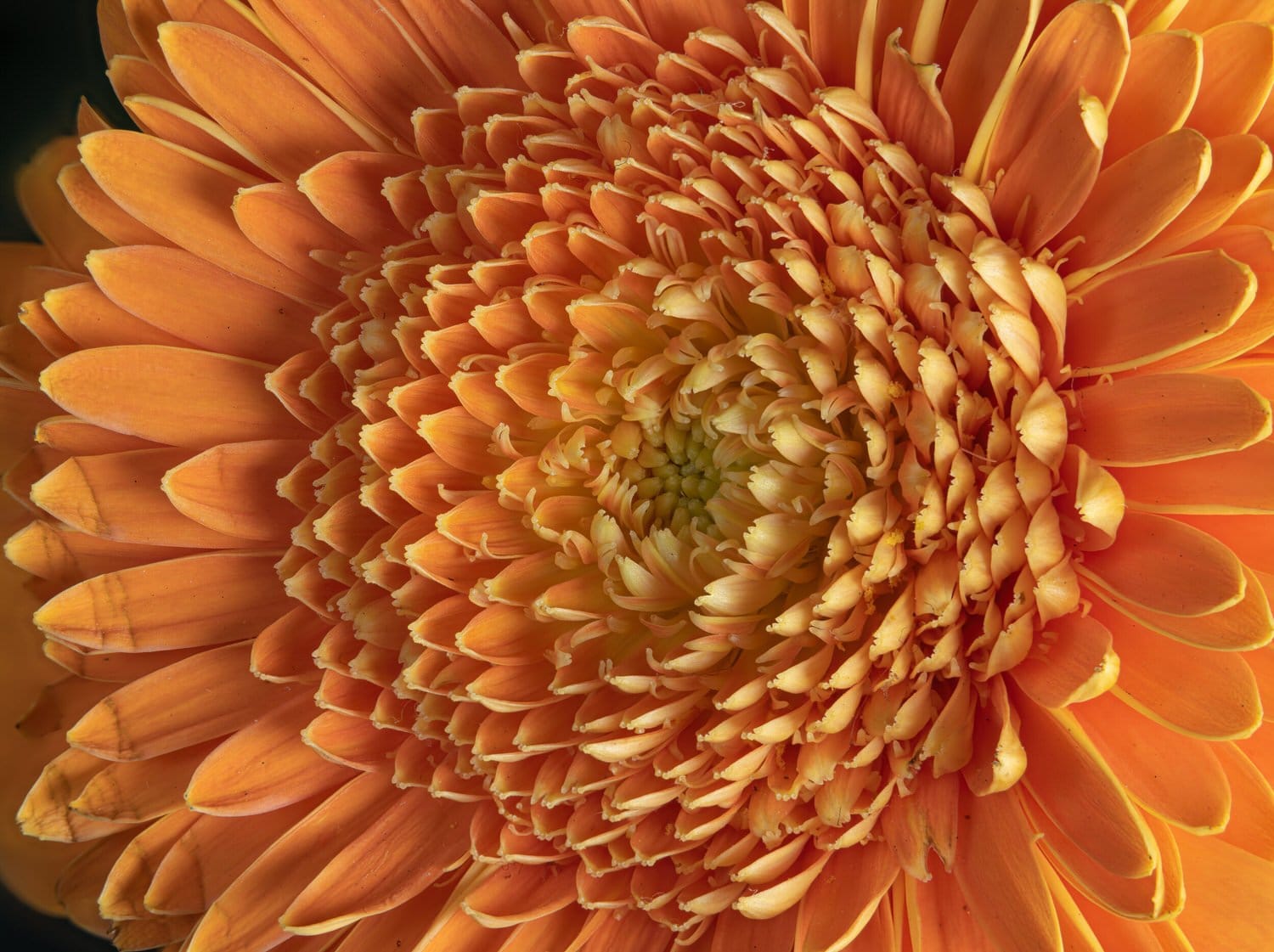
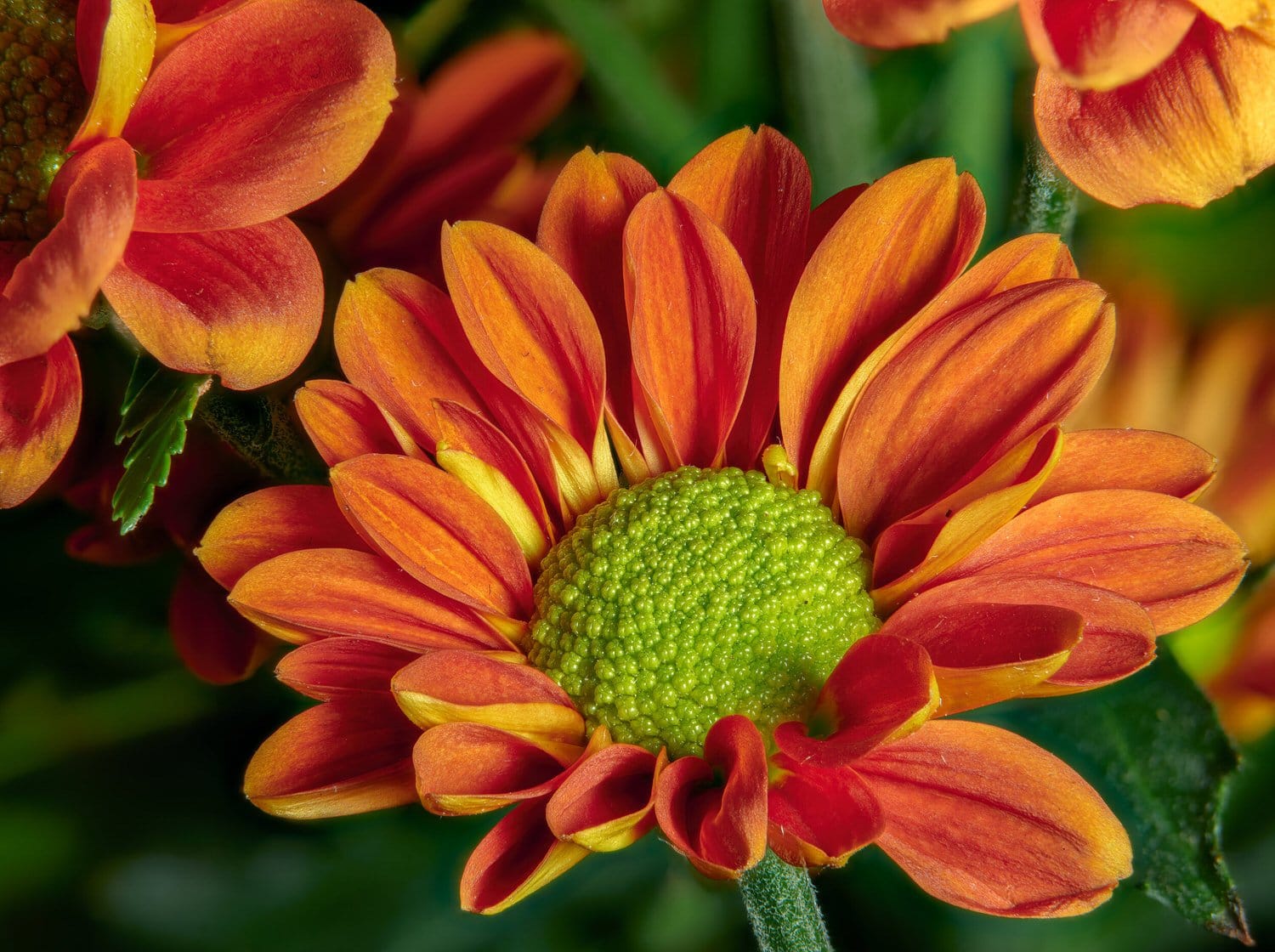
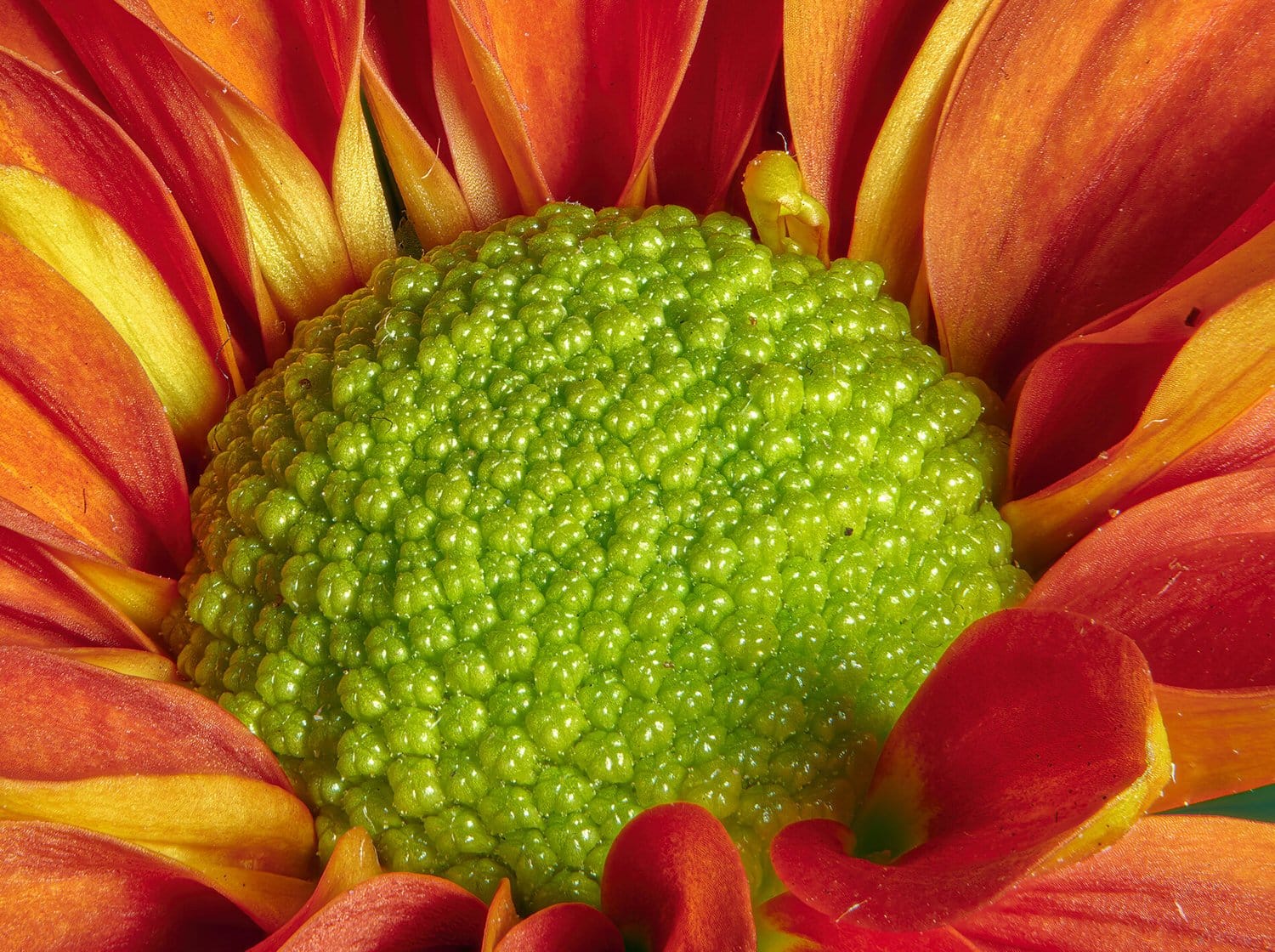
Recently, I started to practice with some macro photography and strobes, just to do something while I’m not working, as I don’t have insects, I don’t like insects and I’m not going to kill an insect just for the “fun” of macro photography, I decided to go with some flowers.
The setup is usually quite simple, just a strobe with high color consistency close to the subject to minimize hard shadows, with a diffusion cloth to avoid “hot spots” and program the camera to do the rest. Still, on the first shots I didn’t get the correct number of exposures, the exposure, etc.
I have to say that I was not able to have the automatic mode working on my GFX 100 so I had to keep using the classic manual mode, this means that I’m probably using non-efficient steps between shots.
For stacking I’m using Helicon Focus, I tried Zerene stacker but considering that I have to transfor to TIFF (or JPEG and good bye to high quality and dynamic range) before using it is not acceptable.
Btw, there is no cheesy edit or mistical, or anything, just the shot stacked with color correction and removal of hot pixels (that considering the focus breathing is super fan to see the pixel moving during the stacking).
One of the few conclusions after the shots:
Medium format macro photography requires a lot of disk space
Medium format macro photography requires a decent computer (at least with a lot of RAM)
Helicon Focus is just amazing, didn’t expect the quality and easiness of use.
Hot pixels are real problem during long macro sessions as the pixel will stack. When there is a single pixel in C1, is super easy to fix but exporting the dng variant doesn’t include the correction and exporting TIFF takes hours!, so at the end the best solution is just to merge with hot pixels and correct them later in photoshop.
What focus stacking actually involves
Macro on a medium format camera runs into a hard physical limit. The closer you focus and the more you magnify, the thinner the depth of field gets, until only a sliver of the subject is sharp in any single frame. Focus stacking is the way around it. You take a series of frames, each with the plane of focus stepped slightly further back, then software finds the sharp part of each one and merges them into a single image that is sharp front to back. On a flower that can mean dozens of frames for one final picture, which is why disk space and a machine with real memory stopped being optional the moment I started doing this seriously.
Helicon Focus turned out to be the right tool for the merge. I tried Zerene Stacker, but it wanted TIFF or JPEG input, and converting off my raw files before stacking meant throwing away dynamic range and resolution before the important step even began, which was not acceptable. Helicon took the files I had and handled them well. The one recurring headache is hot pixels. Over a long stack a stuck pixel repeats in the same spot on every frame and the software stacks it into a bright fleck, and watching it drift during the merge because of focus breathing is oddly fun until you have to clean it up. The practical fix I landed on is to stack first, live with the hot pixels through the merge, and correct them afterward in Photoshop, because exporting corrected TIFFs from the raw converter first takes hours and gains nothing.